Mechanical Descaling for Clad Metal Coils: Why Surface Preparation Comes First
A factory tour video making the rounds on WeChat Channels this September put an often-overlooked process step in the spotlight.
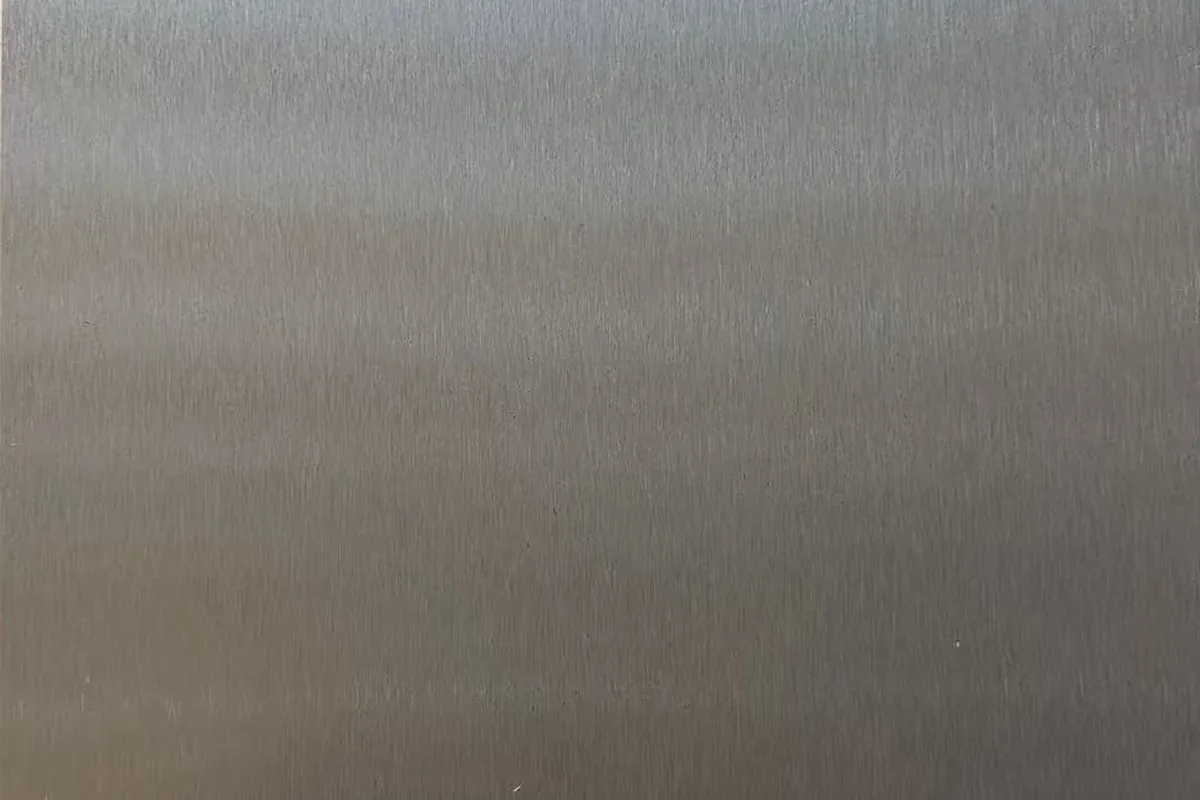
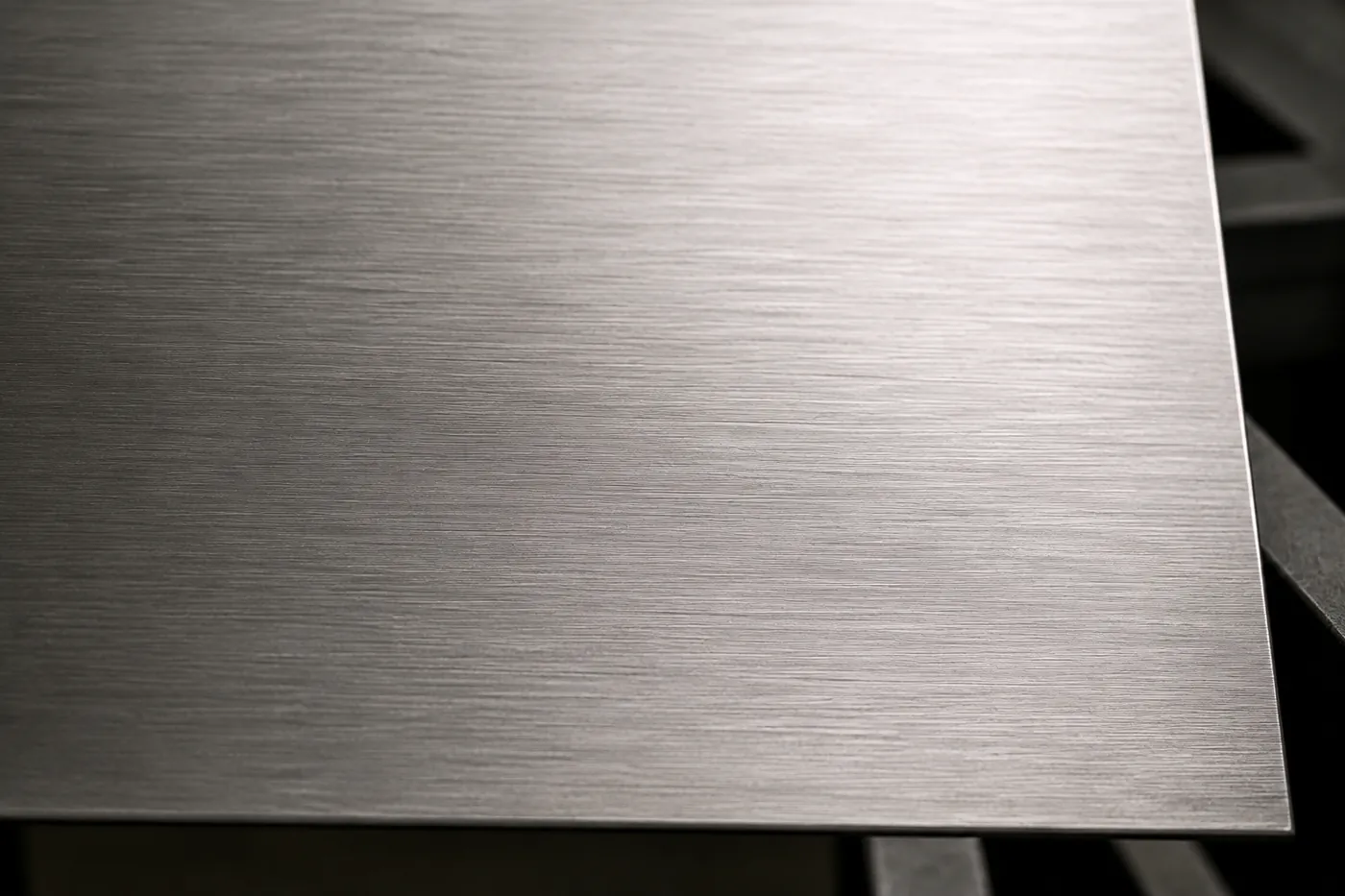
A factory tour video making the rounds on WeChat Channels this September put an often-overlooked process step in the spotlight. Filmed inside a Guangdong clad-steel cookware plant, the clip walks viewers through the production line — and labels the very first step, unambiguously: “Step 01: polishing the aluminum coil.” The footage shows a large aluminum coil with a smooth, bright finish after grinding, presented as the starting point for everything that follows.
The product in question is three-layer clad steel — typically stainless steel, aluminum, stainless steel — the standard material for mid-to-high-end cookware. Before the layers are bonded, each metal substrate must be in the right surface condition. That is where mechanical descaling earns its place.
Why oxide scale is the enemy of bonding
Metal coils leave the mill or the warehouse carrying an oxide layer, along with oil residue, dust, and handling marks. In clad-material production, that surface goes on to be roll-bonded, and later the finished composite may be polished, coated, or welded. An uneven oxide layer means uneven bonding strength, inconsistent polishing results, and visible defects in the final cookware. Removing it mechanically — with abrasive belts in continuous contact with the strip surface — leaves a uniform substrate and a controlled surface condition that downstream processes can rely on.
Chemical pickling can also remove scale, but it brings acid handling, rinsing, and wastewater treatment. For many processors, a dry mechanical line is the simpler, cleaner answer: no chemistry, no effluent, and the surface finish can be tuned by belt grit and line configuration.

From descaling to finishing on one line concept
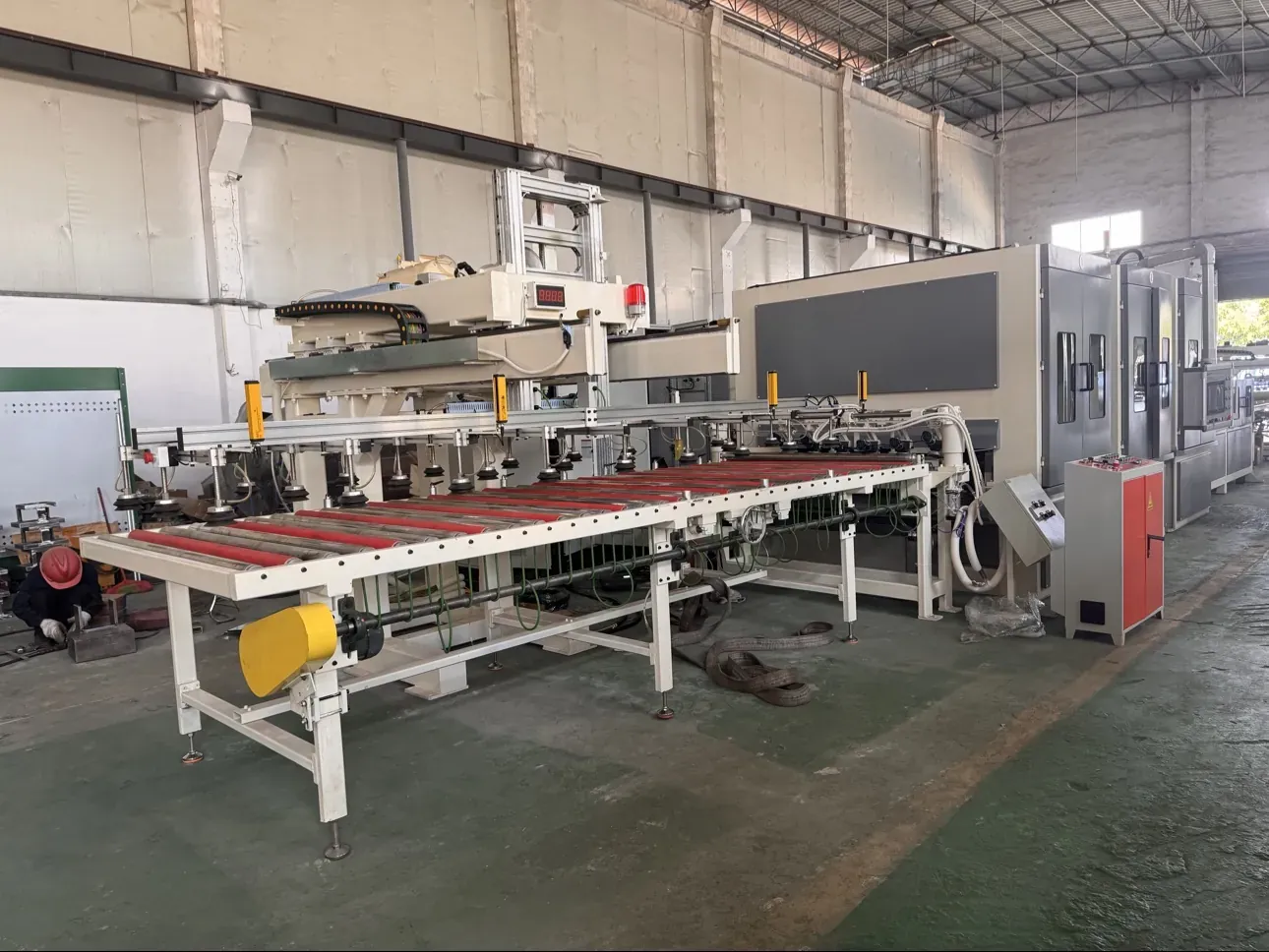
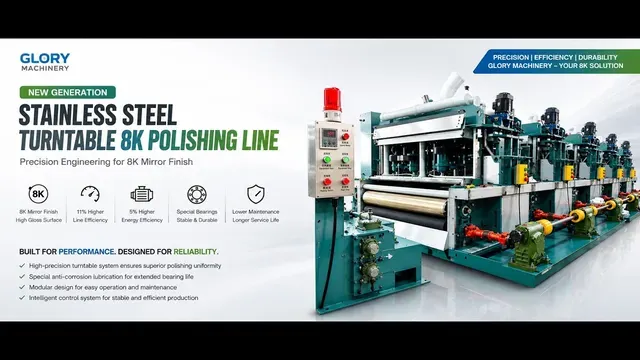
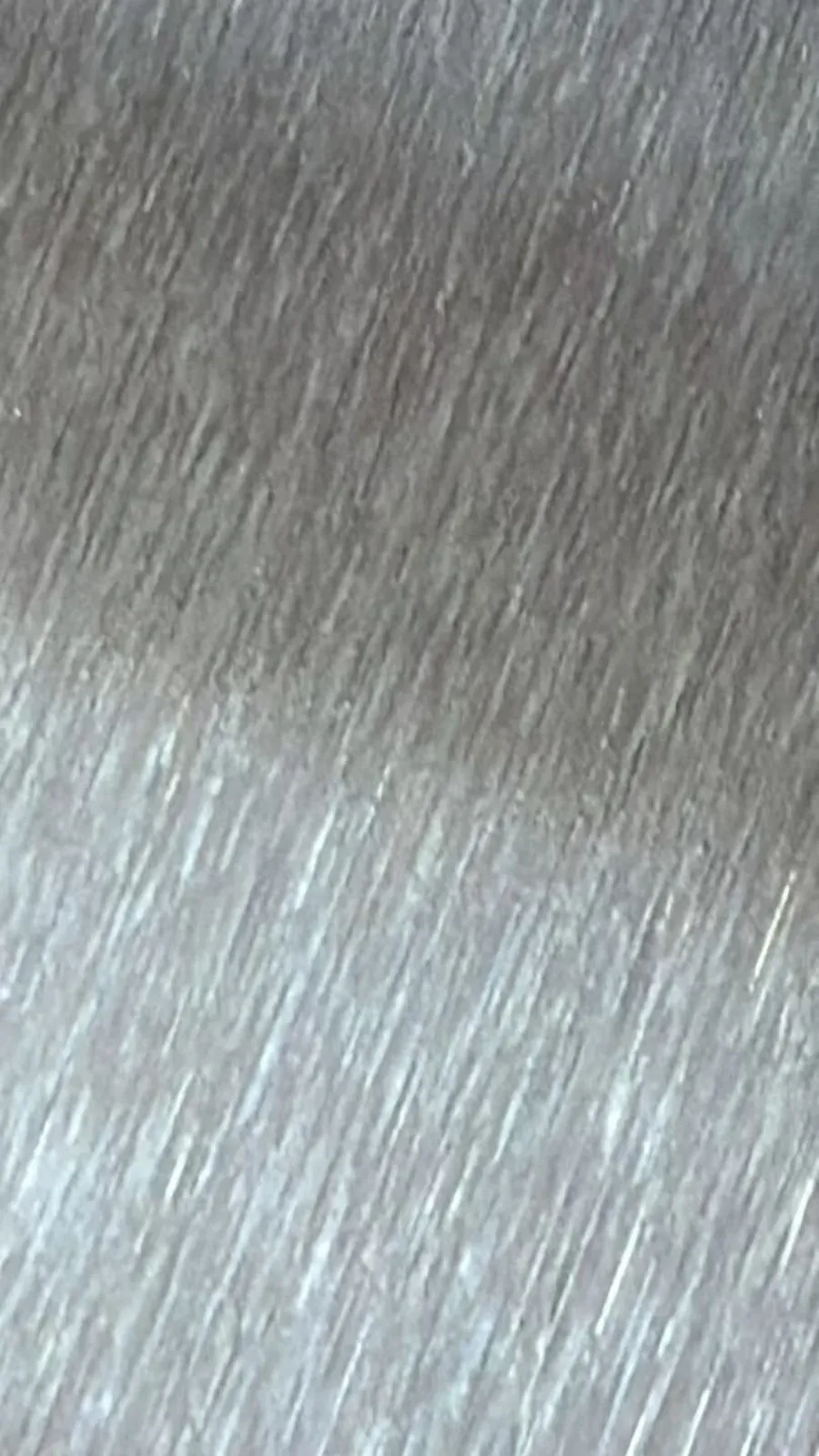
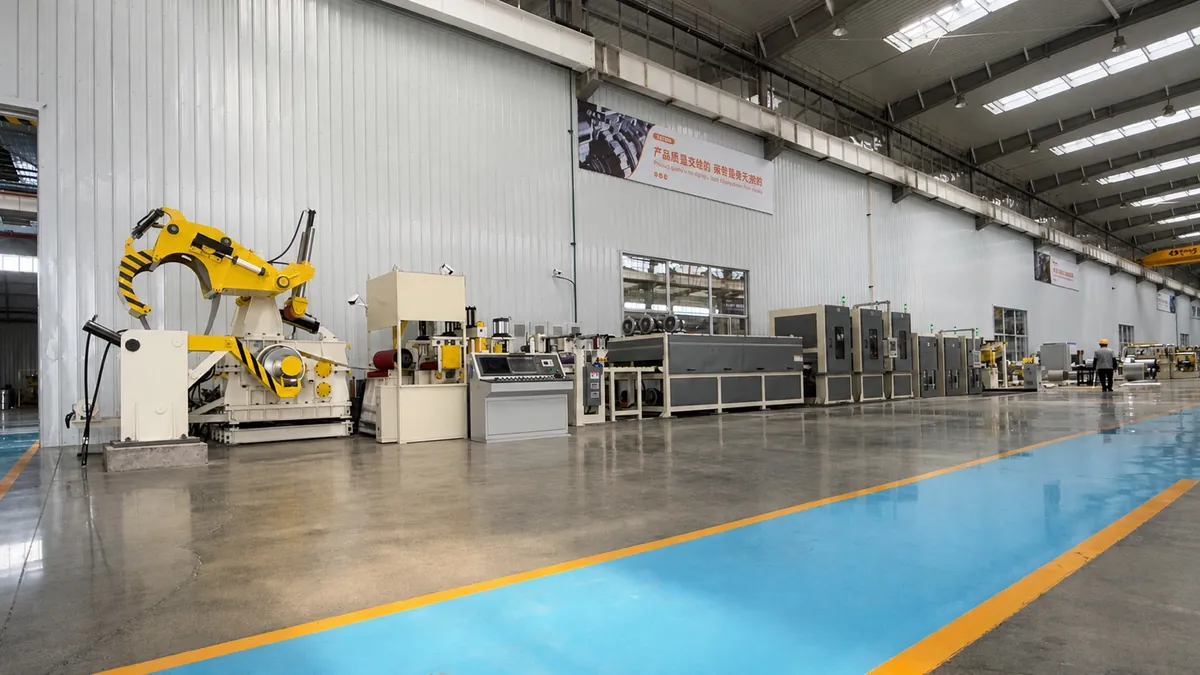
What the video frames as “step 01” is, in equipment terms, a coil-to-coil grinding operation: decoil, abrasive belt grinding heads, cleaning, and recoil — running continuously. The same line concept that produces decorative No.4, hairline, or Scotch-Brite finishes on stainless steel also serves as a descaling and surface-preparation line for aluminum and other substrates feeding composite production. The difference is the process target, not the machine principle: uniform material removal across the full strip width, at production speed.
For cookware supply chains, where the aluminum core determines thermal performance and the stainless skins determine appearance and food-contact safety, starting from a properly prepared coil is not a cosmetic choice. It is a quality gate.
A process step worth specifying
As composite metal materials move into more applications — cookware, architectural panels, and beyond — buyers are paying closer attention to how each layer is prepared before bonding. Mechanical descaling with a dedicated coil grinding line gives processors direct control over that step, without outsourcing it to a pickling service or accepting mill-scale variability.
Contact us for details on coil grinding and descaling line configurations for aluminum, stainless steel, and clad-material processing.
Related reading: 1300mm Stainless Steel Coil to Coil Polishing Line · Stainless Steel Coil Finishing Machines